
Skilled Hands That Shape Wood and Build Dreams

Carpenters have long been considered masters of craftsmanship, turning raw materials into functional and beautiful creations. From constructing sturdy frameworks to designing intricate furniture, carpenters bring both skill and artistry to every project. Their work is not only essential for building and construction but also for creating customized designs that enhance homes, businesses, and communities.
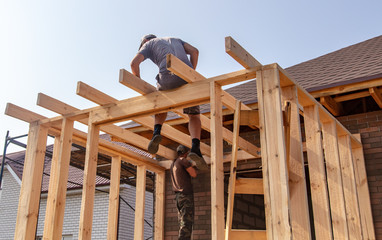
carpenters

The role of a carpenter has evolved, but the value of their craftsmanship remains timeless. With expertise in woodworking and construction, carpenters continue to shape structures and spaces that people rely on every day.

The Importance of Carpenters in Modern Life

Carpenters play a vital role in nearly every building project. They are responsible for measuring, cutting, assembling, and installing wood and other materials to create frameworks, flooring, furniture, cabinets, and more. Their work ensures that structures are not only functional but also durable and visually appealing.

Some key contributions carpenters make include:

  • Building Frameworks: Carpenters create the structural foundation for homes, buildings, and commercial spaces.
  • Custom Woodwork: From staircases to shelving, carpenters craft designs that fit unique needs.
  • Repairs and Maintenance: Carpenters restore damaged woodwork, extending the life of furniture and structures.
  • Detail and Design: Decorative trims, moldings, and finishes add character and beauty to spaces.
  • Collaboration: Carpenters work alongside architects, builders, and designers to bring plans to life.

Without carpenters, many of the essential features of homes and workplaces would not exist.

Types of Carpentry

The world of carpentry is diverse, with different specializations that require unique skills. Some of the most common types include:

1. Rough Carpentry

This involves structural work such as framing, roofing, and scaffolding. Rough carpenters focus on strength, durability, and function, often working with large-scale projects.

2. Finish Carpentry

Finish carpenters handle the detailed work that enhances the final appearance of a structure. This includes trim, molding, cabinetry, flooring, and other decorative features.

3. Furniture Carpentry

Specialists in this area create furniture pieces such as tables, chairs, cabinets, and wardrobes. Their work combines practicality with artistry.

4. Restoration Carpentry

Restoration carpenters repair, refinish, and preserve wooden structures and furniture, often blending modern techniques with traditional methods.

5. Green Carpentry

Focusing on sustainable practices, green carpenters use eco-friendly materials and methods to create environmentally conscious projects.

Each type of carpentry contributes to the overall quality and functionality of structures and interiors.

Skills That Define a Carpenter

Carpentry requires a combination of technical knowledge, creativity, and precision. Some of the key skills that define an excellent carpenter include:

  • Attention to Detail: Accuracy in measuring and cutting ensures flawless results.
  • Mathematical Ability: Carpentry often requires precise calculations for angles, measurements, and layouts.
  • Tool Proficiency: Mastery of hand tools and power tools is essential.
  • Problem-Solving Skills: Carpenters must adapt to challenges and find solutions during projects.
  • Physical Strength and Stamina: The job involves heavy lifting, bending, and long hours on-site.
  • Creativity: Designing custom pieces or decorative elements requires artistic vision.

These skills ensure carpenters deliver quality work that stands the test of time.

The Benefits of Hiring Skilled Carpenters

While some projects may seem like simple do-it-yourself tasks, professional carpenters bring unmatched value. Their expertise ensures that work is not only functional but also safe, efficient, and long-lasting.

Benefits include:

  • Quality Craftsmanship: Skilled carpenters deliver precise, polished results.
  • Time Savings: Professionals complete projects efficiently, saving time and effort.
  • Customization: Carpenters can tailor designs to specific needs and preferences.
  • Durability: Proper construction techniques ensure structures last for years.
  • Safety: Carpenters follow building standards to ensure stability and safety.

Whether for small home improvements or large-scale construction, carpenters provide the knowledge and craftsmanship that make projects successful.

Trends in Carpentry

Carpentry continues to evolve with new technologies and lifestyle changes. Some of the current trends include:

  • Sustainable Materials: More carpenters are using eco-friendly woods and recycled products.
  • Smart Furniture Designs: Custom-built pieces are being designed with space-saving and multifunctional features.
  • Mix of Materials: Combining wood with glass, metal, or stone creates modern, stylish designs.
  • Restoration and Upcycling: Old furniture is being restored or repurposed into new creations.
  • Precision Technology: Tools like laser levels and digital measuring devices improve accuracy.

These trends reflect the adaptability of carpenters and their ability to meet modern needs.

How to Choose the Right Carpenter

Selecting the right carpenter is essential to achieving the desired results. Important considerations include:

  • Experience: Look for carpenters with a history of successful projects.
  • Specialization: Choose based on the type of carpentry needed, whether structural, furniture, or finishing work.
  • Portfolio: Reviewing past projects provides insight into craftsmanship and style.
  • Communication: Clear discussions about design and expectations ensure better outcomes.
  • Reputation: Recommendations and feedback often highlight reliability and quality.

A good carpenter not only delivers excellent work but also offers guidance and advice to enhance the project.

Carpenters are the backbone of construction and woodworking, combining skill, precision, and creativity to shape functional and beautiful structures. From framing buildings to crafting furniture and restoring timeless designs, their work plays a vital role in everyday life.

By blending tradition with modern techniques, carpenters continue to meet evolving needs while preserving the artistry of woodworking. For anyone looking to improve, repair, or design with wood, carpenters remain an essential part of turning ideas into reality. Their skilled hands build more than just projects—they build dreams that last for generations.

Posted in Uncategorized | Comments Off on Skilled Hands That Shape Wood and Build Dreams

How Long Does Cabinet Refacing Take?

Cabinet Refacing Sacramento

Cabinet refacing is significantly less invasive than a full kitchen remodel, but it still requires time to complete. This is not a “Five Minute Crafts” level project, and it requires advanced skills that the average homeowner doesn’t have.

Redo Cabinets is committed to efficiency and top-quality results, so our clients can enjoy a new kitchen in a matter of days. Learn more about the cabinet refacing process and factors that could impact timelines. Contact Cabinet Refacing Sacramento for more details.

Preparation

Refacing is a great kitchen remodel option for homeowners who are happy with the layout of their cabinets but need to modernize their look. It’s less expensive than a complete replacement and can be completed in much less time than a full cabinet installation.

The cabinet refacing process involves replacing the cabinet doors and drawer fronts while also applying a wood or laminate veneer to the existing cabinet box surfaces. It isn’t necessary to remove the countertops or other fixtures, though they may need to be cleaned or resealed.

It’s important to choose a professional company for cabinet refacing. The project requires advanced skills and training to ensure the end result is strong and durable. It’s also essential to find a team that can work with your existing layout and hardware so they can seamlessly integrate new door hinges, handles, and drawer pulls into the overall design.

Cabinet refacing is typically done with solid-core or MDF (medium density fiberboard) doors and drawer fronts. These materials are porous and accept stain or paint well, which can give your cabinets a fresh, updated look. However, if your current doors are made of thermofoil or laminate, refacing won’t work—paint doesn’t adhere to these types of surfaces and can peel relatively quickly.

To prepare the cabinet boxes for refacing, the installer will remove the doors and drawer fronts, clean the interior of the cabinets, and sand the exposed surfaces to get rid of any dings or scratches. They will then apply an adhesive to the face frame surface to prevent the new veneer from peeling. Depending on the style of cabinet refacing, they may also use a vapor barrier to protect the cabinets from moisture and staining.

Once the cabinets are prepared, the installer can start assembling the new cabinet doors and drawer fronts. They will cut the new veneer pieces to size and carefully adhere them to the old cabinets using a thin coat of adhesive. They will then trim the edges of the veneer to create a smooth and even finish.

Refacing is a great alternative to a full kitchen remodel but it’s important to understand the limitations of this type of upgrade. If there are issues with the layout or damage to the cabinet boxes, refacing won’t solve them. It’s also not ideal for homeowners who want to completely change the color of their cabinets.

Installation

Cabinet refacing is a less-invasive, more budget-friendly alternative to a complete kitchen renovation, and it typically takes about 3-5 days to finish. However, the project’s timeline can be affected by unforeseen challenges. Whether you hire a contractor or do it yourself, cabinet refacing involves many steps and requires precision to achieve high-quality results. If your goal is to have your kitchen ready for a quick sale or for a big event, you should plan for a longer timeline.

Before the refacing begins, you need to clear a workspace and protect your belongings from dust and debris. A clean workspace allows the Redo Cabinets team to work efficiently and safely. You also need to remove any hardware from the existing cabinets and drawer fronts. This step is important for a successful refacing because it creates a clean surface that will be used to apply the new veneer or laminate.

Once you have cleared the workspace, your cabinets will be thoroughly cleaned and sanded to prepare them for the new material. This process is especially critical if you are going from light to dark or from a glossy finish to a matte one. A mild degreaser is used to remove any oils or residues that could interfere with the adhesion of the new materials.

After the cabinets are prepared, a laminate or wood veneer is applied to the exposed surfaces of your cabinet boxes. This transforms the appearance of your cabinet boxes and gives them a brand-new look. Then, your new cabinet doors and drawer fronts are installed, along with the updated hardware you have chosen.

The refacing process can be complicated if your cabinets have any structural damage or need to be reconfigured. It’s also not an appropriate solution if you want a completely different layout or more storage. In these cases, a complete remodel is the best option.

Considering the complexity of the cabinet refacing process, it’s essential to find a professional company that has the proper training and experience to execute it correctly. A quality company will also have a solid understanding of the necessary timelines and costs.

Veneer Application

Cabinet refacing is less costly than a complete remodel and provides a similar aesthetic to new cabinets. However, it isn’t without its challenges. If you’re considering refacing your cabinets in your Tucson home, it’s important to understand the timeline to avoid any unexpected delays or complications. This way, you can plan accordingly and minimize disruptions to your daily routine.

The initial steps of cabinet refacing are relatively straightforward, but the rest of the process is more complex and requires precision and skill. During the veneer application phase, installers carefully apply the selected veneers to the existing cabinet boxes and drawer fronts. This step is critical, and if it’s done poorly, it could affect the durability of the finished product.

In addition, the type of material you choose plays a key role in how long your refaced cabinets last. Solid wood and rigid thermofoil options are more durable than particleboard or lower-quality laminates, and can withstand the rigors of daily use and environmental conditions.

As a result, choosing quality materials and hiring a professional team will ensure that your refaced cabinets will last for a significant amount of time. This will help you get the most value out of your investment, and enjoy a high-quality kitchen update for many years to come.

Another factor that impacts how long your refaced cabinets will last is the condition of the existing cabinet boxes. If they are damaged or compromised in any way, it may not be possible to reface them. In this scenario, a complete remodel may be a better option.

Finally, regular care and maintenance will also impact how long your refaced cabinets last. For example, avoiding harsh cleaners and minimizing moisture damage will help extend their lifespan. Additionally, regularly cleaning and wiping down the surfaces will help reduce dust buildup.

Finishing

Cabinet refacing is a great way to give your kitchen a new look without doing a full remodel. It can be done in a fraction of the time it takes to replace your existing cabinets, and can cost significantly less. However, it is not the right solution for every kitchen. Before deciding on cabinet refacing, it is important to consider the benefits and drawbacks of this remodeling method.

A major benefit of refacing is the customization options that are available. Many different styles and finishes can be used to create a unique design that fits your personal taste. This flexibility also allows for a more cohesive look for your kitchen. Another benefit is that refacing can often be completed much more quickly than replacing your existing doors and drawer fronts.

Depending on the type of cabinet material used, the finishing process can add to the total project timeline. Wood cabinets are relatively simple to reface, but the surface must be thoroughly cleaned and sanded before applying the veneer. Laminate surfaces require extra preparation due to their smooth surface, and they may need to be lightly sanded before using a high-quality adhesive. Metal cabinets are a bit more challenging to work with, and they must be cleaned well and sanded before refacing.

Other factors can impact how long a cabinet refacing project will take, including the size of your kitchen and whether you are using a professional or doing it yourself. A larger kitchen will require more material and labor hours to complete the job. Adding additional elements to your renovation, such as countertops, backsplashes, flooring, plumbing, or electrical work, can also increase the overall project length.

While there are many benefits to cabinet refacing, it is not the best option for everyone. If you need a more comprehensive redesign, such as a new layout or improved storage functionality, a complete remodel is a better option. Additionally, if your cabinets are in poor condition, refacing is unlikely to fix the problems. If the cabinet boxes are structurally damaged or have visible signs of deterioration, such as peeling thermofoil, it is likely best to replace them completely rather than attempt to repair them with refacing.

Posted in Cabinet Refinishing | Tagged , , , , | Comments Off on How Long Does Cabinet Refacing Take?